Top Tips for Maintaining Your Honda or Acura
Owning a Honda or Acura is a rewarding experience, thanks to their reputation for reliability and performance. However, to keep your vehicle running smoothly and efficiently, regular maintenance is essential. In this blog post, we will explore practical tips and strategies for maintaining your Honda or Acura, ensuring that it remains in top condition for years to come.
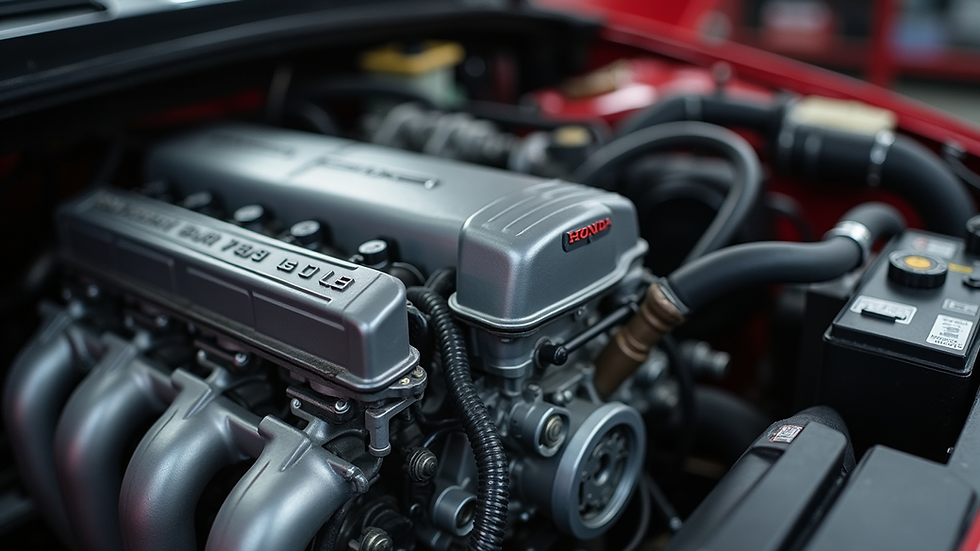
Understanding Your Vehicle's Maintenance Schedule
Every vehicle comes with a manufacturer-recommended maintenance schedule. This schedule outlines when specific services should be performed, such as oil changes, tire rotations, and brake inspections. For Honda and Acura vehicles, adhering to this schedule is crucial for optimal performance.
Key Maintenance Intervals
Oil Changes: Typically recommended every 5,000 to 7,500 miles, depending on your driving habits and the type of oil used.
Tire Rotations: Should be done every 5,000 to 7,500 miles to ensure even tire wear.
Brake Inspections: Recommended at least once a year or every 15,000 miles.
Fluid Checks: Regularly check and top off fluids, including coolant, brake fluid, and transmission fluid.
By following these intervals, you can prevent more significant issues down the road.
Regular Inspections
Conducting regular inspections of your vehicle can help identify potential problems before they escalate. Here are some areas to focus on:
Exterior and Interior Checks
Tires: Inspect for uneven wear, proper inflation, and tread depth.
Lights: Ensure all headlights, taillights, and turn signals are functioning correctly.
Windshield Wipers: Check for wear and replace them if they leave streaks or miss spots.
Engine and Under-the-Hood Checks
Belts and Hoses: Look for cracks, fraying, or leaks.
Battery: Check for corrosion and ensure connections are tight.
Air Filter: Replace every 15,000 to 30,000 miles, depending on driving conditions.
Regular inspections can save you from costly repairs and keep your vehicle safe.
Keeping It Clean
A clean vehicle not only looks good but also helps maintain its value. Here are some cleaning tips:
Exterior Cleaning
Washing: Wash your car regularly to remove dirt, grime, and road salt, especially in winter.
Waxing: Wax your vehicle every three months to protect the paint and finish.
Interior Cleaning
Vacuuming: Regularly vacuum the interior to remove dirt and debris.
Conditioning: Use appropriate cleaners for leather or fabric seats to keep them looking new.
A clean car is a happy car!
Tire Maintenance
Tires are one of the most critical components of your vehicle. Proper tire maintenance can enhance safety and fuel efficiency.
Tire Pressure
Check your tire pressure monthly. Under-inflated tires can lead to poor handling and increased fuel consumption. The recommended pressure is usually found on a sticker inside the driver’s door.
Tread Depth
Use the penny test to check tread depth. Insert a penny into the tread with Lincoln's head facing down. If you can see all of Lincoln's head, it’s time for new tires.
Rotation and Alignment
Regularly rotate your tires and ensure proper alignment to promote even wear and extend tire life.
Brake Maintenance
Brakes are crucial for safety, so regular maintenance is vital.
Signs of Brake Wear
Squeaking or Grinding: If you hear these sounds, it may indicate worn brake pads.
Vibration: If the brake pedal vibrates when pressed, it could signal warped rotors.
Regular Inspections
Have your brakes inspected at least once a year. Replace brake pads and rotors as needed to ensure optimal performance.
Fluid Maintenance
Fluids play a crucial role in your vehicle's operation. Regularly check and maintain the following fluids:
Engine Oil
Change your engine oil according to the manufacturer’s recommendations. Using high-quality oil can improve engine performance and longevity.
Coolant
Check your coolant level regularly. Low coolant can lead to overheating, which can cause severe engine damage.
Brake Fluid
Brake fluid should be clear and at the proper level. If it appears dark or murky, it may need to be replaced.
Battery Care
A well-maintained battery is essential for reliable vehicle operation.
Regular Checks
Inspect your battery for corrosion and ensure connections are tight. Clean any corrosion with a mixture of baking soda and water.
Testing
Have your battery tested annually, especially before winter, to ensure it can handle cold temperatures.
Professional Maintenance
While many maintenance tasks can be performed at home, some require professional expertise.
When to Seek Help
Complex Repairs: If you notice any unusual sounds or warning lights, consult a professional mechanic.
Scheduled Services: Follow the manufacturer’s recommended services that require specialized tools or knowledge.
Conclusion
Maintaining your Honda or Acura doesn’t have to be overwhelming. By following these tips and adhering to your vehicle's maintenance schedule, you can ensure that your car remains reliable and performs at its best. Regular inspections, cleanings, and professional services will help you enjoy your vehicle for many years to come. Remember, a little effort goes a long way in preserving the value and performance of your car. Take action today and keep your Honda or Acura in top shape!

Comments